

Donor development, systematized
Turn your donor list into a donor development program.
Thank first. Steward second. Ask last.
Generic CRMs store your data. ThankFirst tells you what to do with it — who to thank, who to win back, and exactly what to ask — so you build recurring revenue instead of chasing one-off events.
Recurring revenue
$12.4k
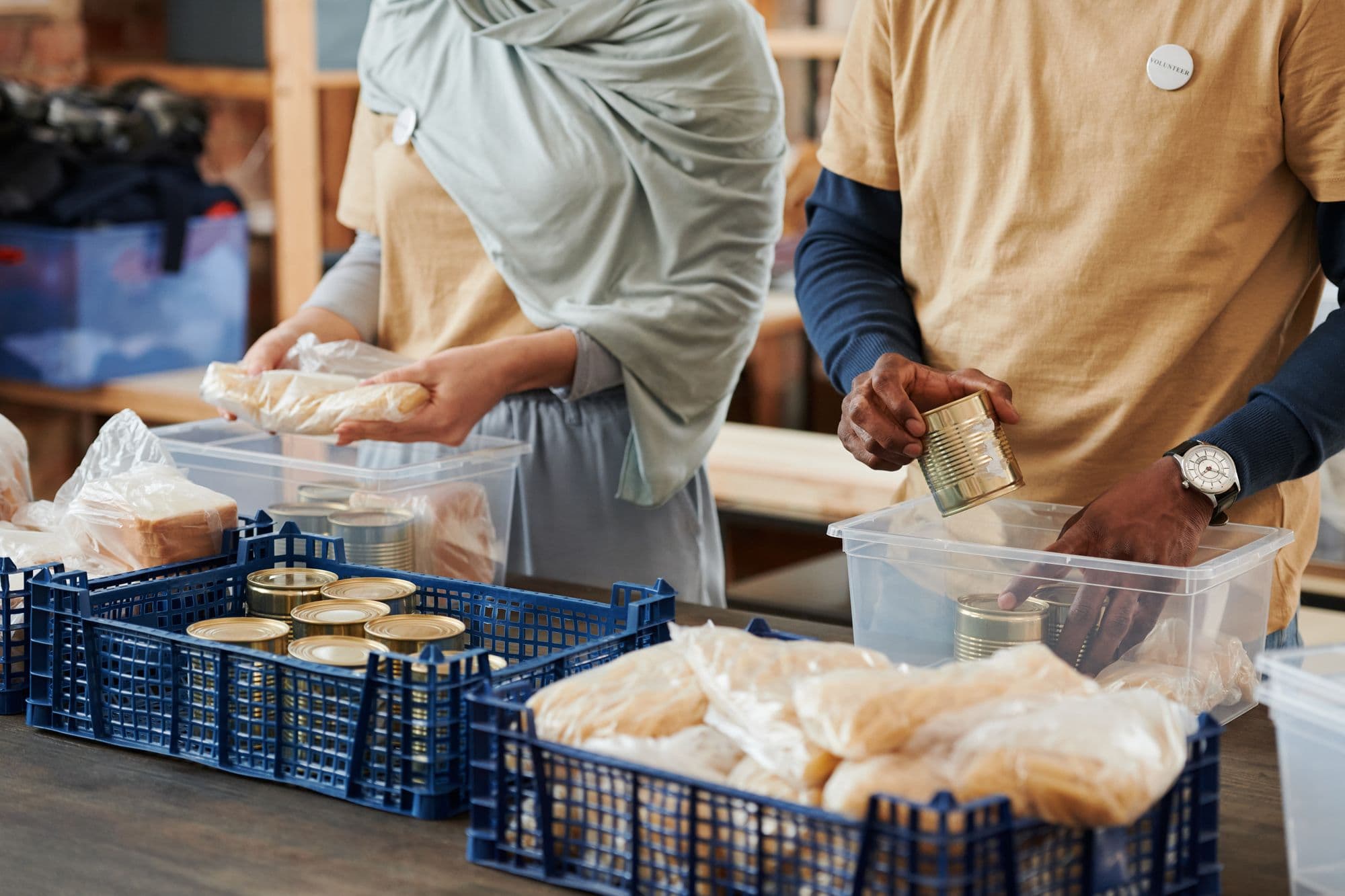
The event treadmill
Working harder every year, keeping fewer donors.
High cost
Low net
Galas and events burn venue, catering, and staff time — often for a thin net after the confetti settles.
~1 in 5
Ever give again
Most first-time event donors never give a second gift. You paid to acquire them, then lost them.
Unpredictable
Revenue
Event income swings year to year. Every cycle you rebuild from zero instead of compounding.
< 50%
Donor retention (national)
Most organizations refill a leaking bucket every year. Retention, not acquisition, is the real lever.
Your spreadsheet in. Your work plan out.
From a donor file to a to-do list in four steps.
1. Upload
Drop in your CSV or Excel donor file — we map your columns and catch duplicates. Switching from DonorPerfect, Bloomerang, or Little Green Light? Your export imports in minutes.
2. Auto-classify
Every donor is scored into a category, tier, and recommended ask range from their giving history.
3. Action Plan
Donors are grouped by urgency: thank first, reactivate, cultivate, and major-donor attention.
4. One-click tasks
Turn any group into assigned, due-dated tasks — real work, not a spreadsheet somebody means to get to.
About 90 seconds with your own donor file.

Guardrails, not guidelines
Three rules, enforced by the software — not left to good intentions.
The Thank-You Ratio
Every donor has a live ratio of gratitude touches to asks. Major donors need at least 3-to-1 — they're the first to leave when it slips. Most orgs have no idea what theirs is. You'll see it per donor.
OK-to-ask timing
The platform knows when a donor has been properly thanked and stewarded — and when they haven't. Try to solicit too soon and it blocks the ask with a reason and a date, requiring a justification to override.
The ask-amount engine
The recommended ask range is computed from each donor's own behavior — first gift, largest gift, recency, recurring cadence — so staff never guess. The number is tied to the donor, not the org's budget gap.
One platform
Everything a development program needs — in seven modules.
Donor CRM & segmentation
Auto-computed categories (First-Time, Returning, At Risk, Major, Lapsed…), tiers, capacity ratings, and CSV/Excel import with dedupe.
The Action Plan
Your spreadsheet in, your work plan out: donors grouped by what to do next, with one-click task generation.
Stewardship engine
Thank-you ratio, ask-timing rules, 48-hour SLA alerts, and a campaign-season (Ramadan) mode — woven into every screen.
Committees & volunteers
Eight committee templates, scoped volunteer views, first-contact playbooks, weekly nudges, and compliance tracking.
Campaigns & giving circles
Gift-pyramid campaigns with donors-needed math, pledges and recognition tiers, plus renewable giving circles.
Dashboards & board view
Retention, reactivation, lifetime value, pipeline funnel, and campaign progress — with a read-only board view free of donor PII.
AI Development Officer
Ask questions about your donors in plain English, get record-hygiene and reactivation drafts prepared for review, and compile public-web prospect briefs — every AI action lands as a draft you approve, always inside your consent rules. Growth and Enterprise.
An AI development officer that drafts and prepares — while you stay in control.
Built into ThankFirst, not bolted on. It answers questions about your donors, prepares the busywork, and researches your prospects — but it never sends anything on its own. Every AI action lands as a draft in your review queue, held to the same consent and ask-timing rules as your team, on the same role-scoped data. Available on Growth and Enterprise — as a managed add-on, or connect your own Anthropic key and run it at no add-on cost.
Ask ThankFirst
Ask about your donors and giving in plain English — “which lapsed majors haven't been thanked?” — and get answers scoped to exactly what you're allowed to see.
Record hygiene & reactivation
It spots messy records and lapsed donors and prepares the fixes and warm, no-ask reconnects — all as drafts you approve, never applied on its own.
Prospect research briefs
One-page major-gift briefs from public web sources, every claim cited — an internal work product, off by default and enabled by an admin.
New · Volunteers
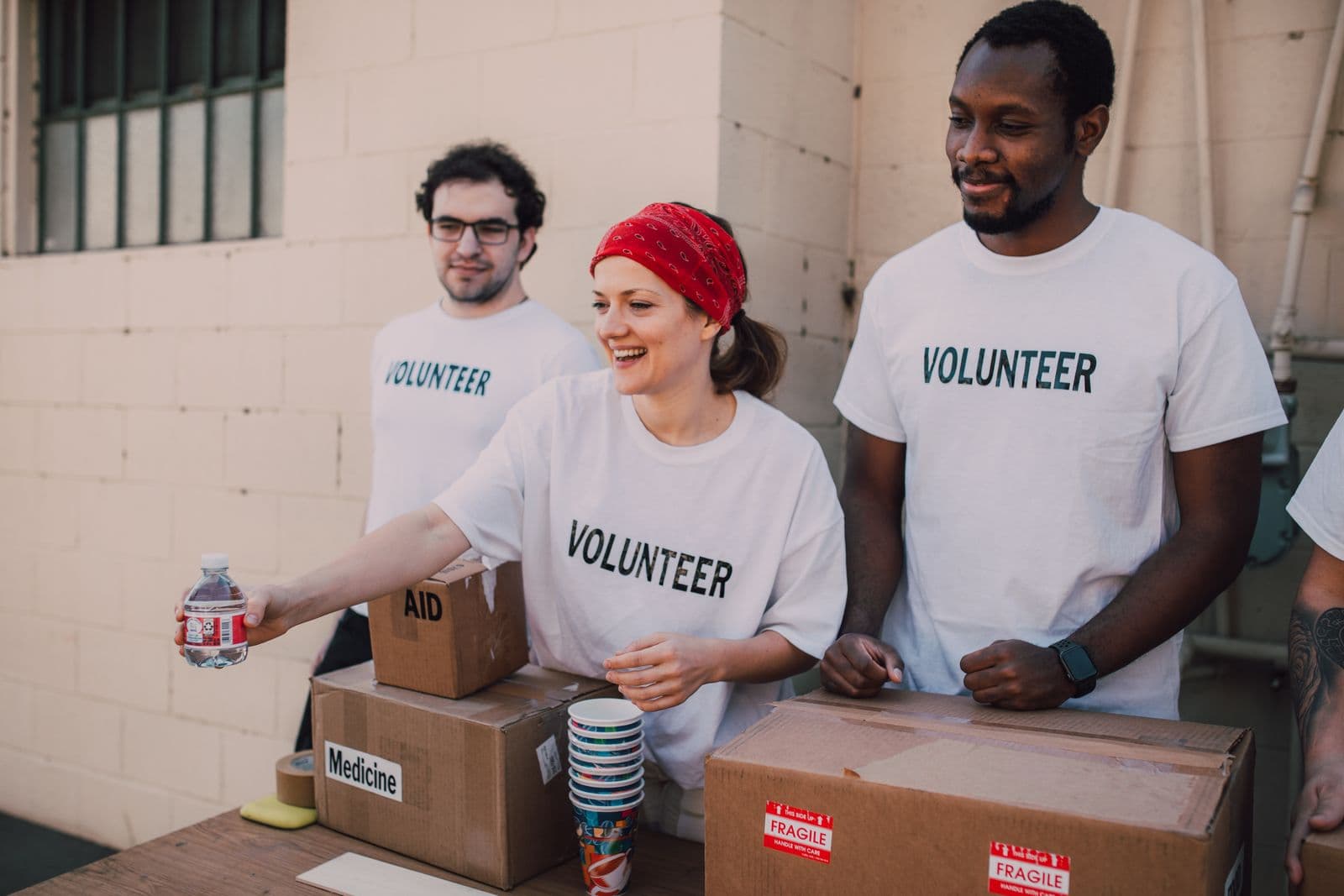
Your volunteers are your warmest donor prospects — ThankFirst is the only platform that treats them that way.
Post shifts and share a sign-up page, and every volunteer becomes a donor record — not a name in a separate app. Their hours roll up right on the donor profile, and active volunteers whose giving lags their engagement surface in your Action Plan as cultivation prospects — held to the same ask-timing and consent rules as everyone else.
Works with your tools
Start with the tools you already use — and grow into more.
Available today
CSV / Excel import from any donor CRM or spreadsheet — columns auto-mapped, duplicates caught.
Switching from DonorPerfect, Bloomerang, or Little Green Light? Your export imports in minutes.
On the roadmap
Here's what we're building next. Each is clearly marked “coming soon” — we don't claim an integration until it ships.
Bring donors and full gift history from any CRM or spreadsheet — columns auto-mapped, duplicates caught.
Per-org API keys and versioned endpoints for donors, gifts, interactions, and campaigns.
No-code automations linking ThankFirst to spreadsheets, Slack, Gmail, and thousands of apps.
One-way export of gift and fund data for clean deposit and fund reconciliation.
Sync segments and tags to audiences, and log email sends as neutral stewardship touches.
Import wealth-screening results into each donor's capacity rating.
Surface employer matching-gift prompts at gift confirmation and in the donor portal.
REST API with per-org keys and signed webhooks — in development.
Built for sensitive donor data
Isolation at the database layer. Access scoped by role.
Database-layer isolation
Every organization's data is isolated by Row-Level Security on every table — enforced by the database, not the UI, and tested adversarially on every build.
Role-scoped access
Five least-privilege roles. Committee members see only their assigned donors — never wealth data. Board viewers see aggregates only, no PII.
Audit trail
Data exports and every ask-timing override (with justification) are recorded in an append-only audit log.
You own your data
Full CSV/JSON export any time, and deletion on request. No lock-in — your donors are always yours.

Send us your spreadsheet. Get back a plan.
Start a 14-day trial on Growth — or send your donor export and we'll have your Action Plan waiting at first login. No empty screen, just a to-do list of money you're leaving on the table.